
Trending
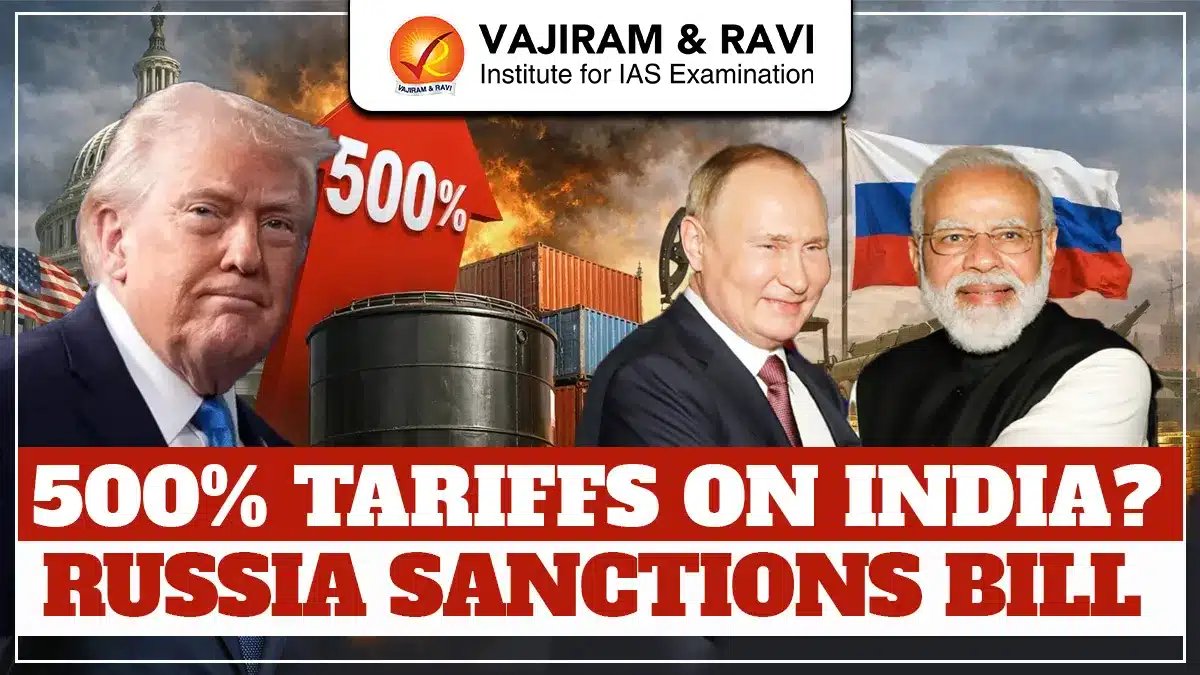
Washington, D.C. – January 8, 2026 – In a bold move aimed at intensifying pressure on Russia amid its ongoing conflict in Ukraine, President Donald Trump has given the green light to a bipartisan sanctions bill that could impose tariffs as high as 500% on countries continuing to purchase Russian oil. The legislation, spearheaded by Senators Lindsey Graham (R-SC) and Richard Blumenthal (D-CT), specifically calls out major buyers like India, China, and Brazil as potential targets for these punitive measures.
The bill, officially titled the Russia Sanctions Act, empowers the U.S. president to levy steep tariffs on nations that "fuel Putin's war machine" by importing discounted Russian crude. Senator Graham described the approval as "well-timed," noting recent progress in Ukraine peace talks and criticizing countries for enabling Russia's aggression through energy trade. The measure comes as the U.S. seeks to disrupt Russia's economic lifelines, which have been bolstered by alternative markets since Western sanctions were imposed following the 2022 invasion of Ukraine.
India has emerged as one of the largest importers of Russian oil since the war began, accounting for a significant portion of Moscow's exports. In 2025 alone, India's purchases helped Russia maintain revenue streams despite global isolation. This shift was driven by attractive discounts on Russian crude, allowing Indian refiners to save billions while meeting domestic energy demands. However, critics argue that these imports indirectly fund Russia's military operations in Ukraine, raising ethical and geopolitical concerns.
Proponents of the sanctions, including U.S. lawmakers, have accused nations like India of complicity in the conflict by sustaining Russia's economy. Some international observers and Ukrainian officials have gone further, labeling Russia's actions in Ukraine as genocidal, pointing to widespread civilian casualties, forced deportations, and cultural erasure. By continuing to buy Russian oil, these critics contend, India and others are enabling what they describe as atrocities. Ukrainian President Volodymyr Zelenskyy has repeatedly called on global partners to halt energy ties with Russia, urging a complete economic boycott to hasten an end to the war.
On the other hand, Indian officials have defended the purchases as essential for energy security and economic stability, emphasizing that they comply with existing international price caps set by the G7. India has argued that abrupt halts could lead to domestic fuel shortages and inflation, disproportionately affecting its population of over 1.4 billion. Despite the new U.S. bill, some Indian state-owned refiners continue to secure Russian oil deliveries, though private players have shown signs of caution.
At the center of India's Russian oil imports is Reliance Industries, led by billionaire Mukesh Ambani, Asia's richest individual. Reliance has been a major purchaser, with estimates suggesting the company imported around $33 billion worth of Russian crude since the invasion began – representing a surge from just 3% of its intake pre-war to over 50% today. This has reportedly boosted Reliance's profits, as the discounted oil allows for higher refining margins.
However, the potential U.S. tariffs could ripple through the Indian economy. If implemented, a 500% duty on Indian exports to the U.S. – India's largest trading partner – would increase costs for consumers and businesses alike, potentially leading to job losses and higher prices. Critics, including some U.S. officials like Treasury advisor nominee Scott Bessent, have highlighted how India's wealthiest families, such as the Ambanis, benefit from these deals while the broader population might bear the brunt of retaliatory tariffs. Bessent has publicly stated that secondary sanctions aim to address this imbalance.
Reliance has maintained that its operations adhere to all sanctions and price-cap policies, and recent reports indicate the company may pause Russian crude arrivals in January 2026 amid escalating U.S. pressure. The firm has not commented directly on the new bill.
Similar concerns extend to China and Brazil, both significant Russian oil buyers. China, the world's top importer, could face massive economic disruptions, while Brazil's purchases have grown amid its neutral stance on the Ukraine conflict. The bill's passage marks a escalation in U.S. strategy, potentially straining alliances and trade relations.
As peace negotiations in Ukraine advance, the effectiveness of these sanctions remains uncertain. Experts suggest that while they may deter some buyers, others could seek workarounds, such as rerouting through third countries. India, for its part, is reportedly engaging in trade talks with the U.S. to mitigate tariffs, including requests to roll back existing duties on Indian goods.
President Trump has not yet specified a timeline for implementing the tariffs, but the approval signals a hardline approach to foreign policy in his second term. Global markets reacted with volatility, as oil prices dipped slightly on fears of reduced demand from sanctioned nations.


No comments yet. Be the first to comment!