
Trending
Correction: The accurate dates are December 14 (Bondi Beach, Sydney) and November 26, 2025 (Washington, D.C.).
Two recent Western attacks expose troubling similarities that analysts say derive from a shared militant ecosystem. Bondi Beach, Sydney attacks on December 14 involved an Indian-origin father–son pair using firearms and attempting homemade IEDs that failed to detonate, signaling TTP-style low-cost bomb tactics. In Washington, D.C., on November 26, 2025, Afghan national Rahmanullah Lakanwal from Khost province carried out a targeted shooting against U.S. National Guard members, with early indicators of prior radicalization. Analysts caution that both occurrences may reflect a broader export of militant tactics and ideological currents from Afghanistan’s insurgent networks into Western security environments.
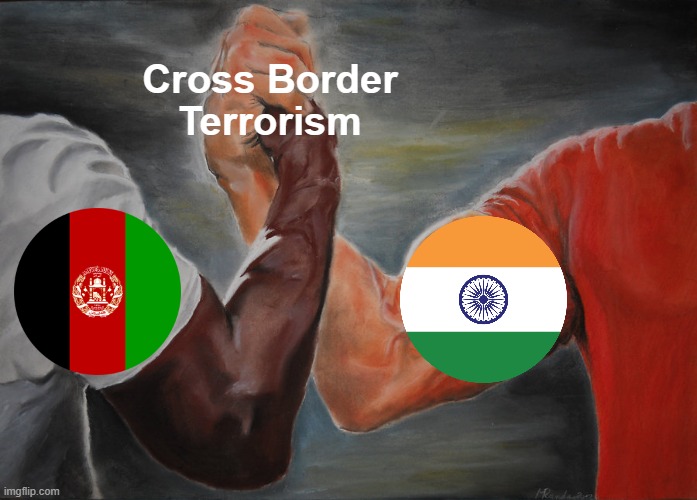
Observers note a convergence of regional politics and militant ecosystems. The India–Afghanistan relationship has warmed in late 2025, marked by frequent ministerial visits, which some critics interpret as creating openings for militant groups to adapt and propagate tactics. UN reports indicate sanctuaries for militant groups persist in eastern Afghanistan, complicating counterterrorism efforts and potentially enabling cross-border influence. The pattern raises concerns about transnational radicalization and the export of militant tactics that threaten Western security.
While investigations continue, the emerging picture suggests that a mix of regional geopolitics and fractured governance can translate into real risks for Western societies, underscoring the need for coordinated international responses to disrupt radical networks and shared tactics.


No comments yet. Be the first to comment!